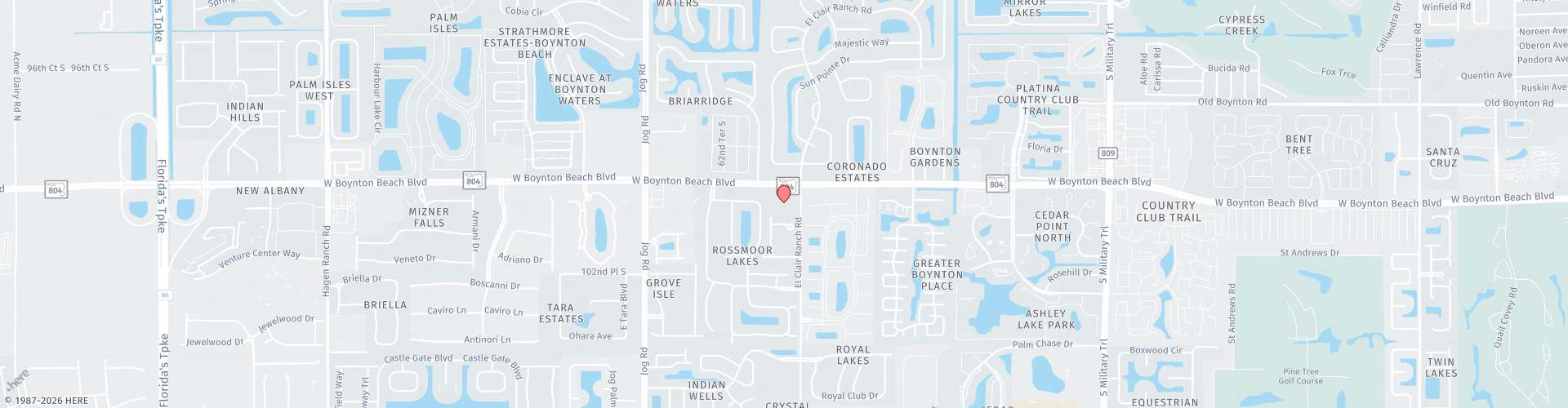

Foot pain is one of the most common reasons patients visit a podiatrist — and one of the most overlooked. Many people assume that aching, sore, or painful feet are simply a normal part of staying active, standing all day, or getting older. They aren’t. Foot pain is your body’s signal that something needs attention, and left untreated, most foot conditions only worsen over time.
At Momentum Foot and Ankle, Dr. Chris Zimmer takes a comprehensive, patient-centered approach to diagnosing and treating foot pain at every stage. Whether you’re dealing with a nagging ache that’s been building for months or an acute injury that sidelines you from work or activity, we’re here to identify the root cause and guide you through every available treatment option — starting with conservative care first.
Below you’ll find an overview of the most common foot pain conditions we treat. Each has its own dedicated page with in-depth information to help you understand your diagnosis, your options, and what recovery looks like.
Common Foot Pain Conditions We Treat
Heel Pain
Heel pain is among the most frequent foot complaints we see in our Boynton Beach office, affecting patients of all ages and activity levels. The heel absorbs significant impact with every step, making it vulnerable to a variety of conditions — from bone bruises and bursitis to more complex structural problems. Proper diagnosis is critical, because treating the wrong cause leads to prolonged pain and frustration. Learn more about the causes, symptoms, and treatment approaches for heel pain.
Plantar Fasciitis
Plantar fasciitis is the most common cause of heel and arch pain, resulting from inflammation of the plantar fascia — a thick band of tissue that runs along the bottom of your foot. The telltale sharp pain with your first steps in the morning is a hallmark symptom. The good news: the majority of patients improve significantly with conservative treatment. Explore everything you need to know about symptoms, diagnosis, and relief for plantar fasciitis.
Bunions
A bunion is a bony prominence that develops at the base of the big toe when the joint shifts out of alignment over time. Bunions can cause significant pain, difficulty with footwear, and progressive deformity if left unaddressed. Treatment ranges from accommodative padding and orthotics to surgical correction when conservative measures no longer provide relief. Find out what’s causing your bunion and which treatment options are right for you on our bunions page.
Hammertoes
Hammertoes occur when one or more of the smaller toes develop an abnormal bend at the middle joint, often causing pain, corns, and difficulty walking. They typically develop gradually due to muscle imbalance, improper footwear, or underlying structural issues. In early stages, conservative approaches can slow progression; in advanced cases, a simple corrective procedure may be the most effective path forward. Learn about flexible vs. rigid hammertoes and your treatment options on our hammertoes page.
Neuromas
A neuroma — most commonly Morton’s neuroma — is a thickening of the tissue surrounding a nerve in the ball of the foot, usually between the third and fourth toes. Patients often describe a burning, tingling, or the sensation of walking on a pebble. Neuromas respond well to early conservative treatment including injections, padding, and footwear changes. Explore the causes, symptoms, and treatment options for neuromas.
Flat Feet
Flat feet (pes planus) occur when the arch of the foot collapses, causing the entire sole to make contact with the ground. While some people live comfortably with flat feet their entire lives, others experience significant pain in the feet, ankles, knees, and lower back. Whether you’ve had flat feet since childhood or they’ve developed over time, we offer individualized treatment plans tailored to your symptoms and lifestyle. Read more about causes, complications, and treatment for flat feet.
High Arches
High arches (pes cavus) can be just as problematic as flat feet, concentrating pressure on the ball and heel of the foot with every step. Patients with high arches are more prone to ankle instability, stress fractures, and chronic pain in the outer foot. Underlying neurological conditions are sometimes associated, making thorough evaluation important. Discover how high arches are diagnosed and managed on our high arches page.
Tendonitis
Tendonitis refers to inflammation of a tendon — typically the result of overuse, repetitive strain, or sudden increases in activity. In the foot and ankle, the posterior tibial tendon, peroneal tendons, and flexor tendons are common sites. Without proper treatment, tendonitis can progress to tendon tears or chronic dysfunction. Learn about the types of tendonitis we treat, how they’re diagnosed, and which treatments work best on our tendonitis page.
Stress Fractures
Stress fractures are small cracks in the bone caused by repetitive force — often from running, jumping, or sudden increases in training volume. The metatarsals are the most common site in the foot. Early diagnosis is essential to prevent a partial fracture from becoming a complete break. If you’re experiencing localized foot pain that worsens with activity and improves with rest, find out what you need to know about stress fractures.
Toe Injuries
Toe injuries range from minor sprains and contusions to fractures, dislocations, and turf toe — a sprain of the ligaments around the big toe joint common in athletes. Even “minor” toe injuries can lead to long-term complications if not evaluated and treated properly. Whether your injury is from a sports collision, a misstep, or a dropped object, our team will assess the extent of the injury and get you on the right treatment path. Learn more about diagnosing and treating toe injuries.
Ingrown Toenails
Ingrown toenails occur when the edge of the nail grows into the surrounding skin, causing pain, swelling, redness, and — if left untreated — infection. They’re often triggered by improper nail trimming, tight footwear, or trauma. While mild cases may respond to home care, recurring or infected ingrown toenails benefit from professional treatment, including a minor in-office procedure to permanently prevent recurrence. Find out when and how to treat ingrown toenails.
Corns & Calluses
Corns and calluses are areas of thickened, hardened skin that develop in response to repeated friction or pressure. While often dismissed as cosmetic concerns, painful corns and calluses can significantly affect your comfort and mobility — particularly in patients with diabetes or circulation issues, where they can become serious wounds. Professional treatment goes beyond temporary relief to address the underlying cause. Learn about safe and effective treatment for corns and calluses.
Warts
Plantar warts are caused by the human papillomavirus (HPV) and appear on the soles of the feet, often mistaken for corns or calluses. They can be painful under pressure and may spread if left untreated. Over-the-counter treatments frequently fail on plantar warts, and professional options — including topical treatments, cryotherapy, and laser therapy — offer more reliable results. Get the full picture on causes, diagnosis, and treatment for plantar warts.
Why Choose Momentum Foot and Ankle?
At Momentum Foot and Ankle, you’re not just another appointment. Dr. Chris Zimmer is a fellowship-trained foot and ankle surgeon with advanced expertise in everything from common everyday conditions to complex reconstructive cases. Every patient receives a thorough evaluation, a clear explanation of their diagnosis, and an honest conversation about all available options — conservative treatment first, surgery only when truly necessary.
We serve patients of all ages throughout Boynton Beach and Palm Beach County, and we accept most major insurance plans. Our goal is simple: get you out of pain, back to the activities you love, and confident in your care every step of the way.
Ready to get relief? Contact us today to schedule your appointment with Dr. Zimmer. Call us at (561) 369-4455 — we’ll help you take the first step toward feeling better.