
That burning sensation between your toes—like you’re walking on a pebble that isn’t there—may be more than simple foot fatigue. It could be a Morton’s neuroma, one of the most common yet frequently overlooked causes of forefoot pain. At Momentum Foot and Ankle in Boynton Beach, FL, Dr. Christopher Zimmer provides expert evaluation and personalized care to help you identify the source of your discomfort and get back to the activities you love.
Dr. Zimmer is a fellowship-trained foot and ankle surgeon with advanced training in complex lower extremity conditions, including nerve-related disorders of the foot. He completed his residency at Baylor Scott & White Medical Center in Texas and a Trauma & Reconstruction Fellowship at Westside Regional Medical Center in Plantation, FL. A member of the American College of Foot and Ankle Surgeons (ACFAS), Dr. Zimmer is committed to evidence-based medicine and honest, transparent communication. Every patient receives a thorough evaluation, a clear explanation of their diagnosis, and a personalized treatment plan designed around their goals—not a one-size-fits-all approach.
What Is a Morton’s Neuroma?
A Morton’s neuroma is a thickening of the tissue surrounding a nerve between the toes—most commonly between the third and fourth toes. As the nerve becomes compressed or irritated, it enlarges and causes pain that can range from mild discomfort to sharp, debilitating pressure. Without treatment, neuromas rarely resolve on their own and can progressively limit your daily activities.
Common Symptoms
- Burning or sharp pain in the ball of the foot
- Numbness or tingling in the toes
- A sensation of walking on a pebble or bunched-up sock
- Pain that worsens with activity or tight footwear
- Temporary relief when removing shoes and rubbing the foot
Causes & Risk Factors
Neuromas develop when the nerve experiences repeated compression or irritation. Common contributing factors include:
- High heels or narrow, tight-fitting shoes
- High-impact sports such as running, tennis, or basketball
- Structural foot conditions like bunions, hammertoes, flat feet, or high arches
- Prolonged standing on hard surfaces
Diagnosis
Dr. Zimmer takes a comprehensive approach to diagnosing neuromas. Your evaluation will include a detailed patient history, a hands-on physical examination, and diagnostic imaging when appropriate. In-office ultrasound is particularly valuable for visualizing nerve thickening and confirming a neuroma without the use of radiation—allowing for accurate diagnosis and a more targeted treatment plan.
Treatment Options
At Momentum Foot and Ankle, conservative care always comes first. Most patients experience meaningful improvement without surgery. Treatment options may include:
- Custom orthotics or metatarsal padding to relieve nerve pressure
- Footwear modifications and recommendations
- Corticosteroid or alcohol sclerosing injections
- Physical therapy and targeted stretching
- Activity modification during the healing process
When conservative measures are not enough, surgical removal of the affected nerve tissue—known as a neurectomy—may be recommended. Dr. Zimmer performs this procedure with precision and a focus on minimizing recovery time so you can return to your normal routine as quickly as possible.
Why Choose Momentum Foot and Ankle?
- Fellowship-trained surgeon with advanced foot and ankle expertise
- Conservative-first approach—surgery only when truly necessary
- Personalized, one-on-one care at every visit
- Transparent communication and patient education throughout your care
- Accepts most major insurance plans
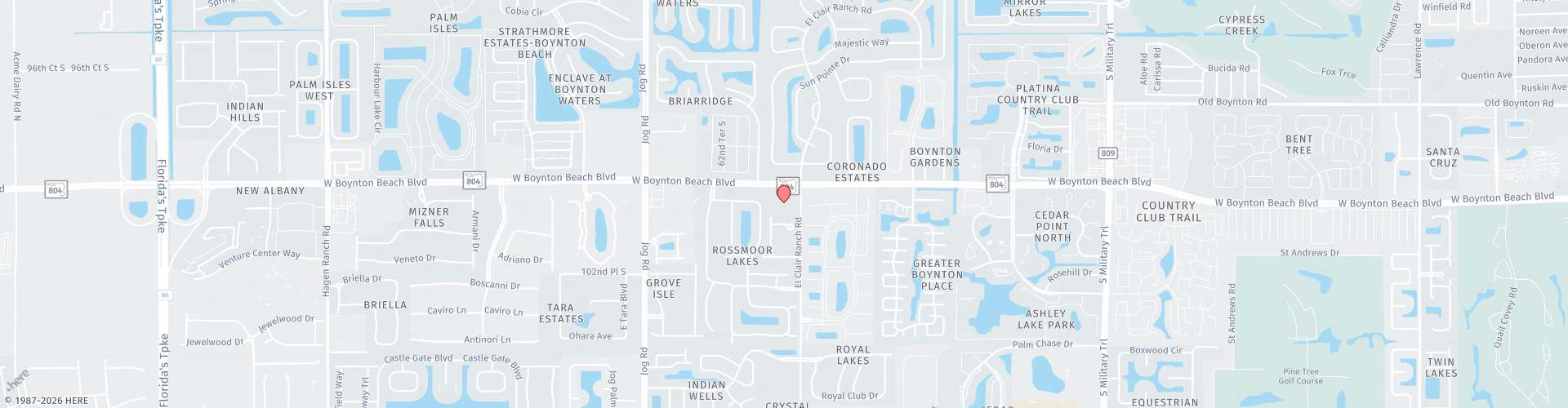
- Conveniently located in Boynton Beach, serving all of Palm Beach County
Schedule Your Evaluation Today
You don’t have to live with foot pain. If burning, tingling, or pressure in the ball of your foot is slowing you down, Dr. Zimmer is here to help. Contact us today to schedule your appointment and take the first step toward lasting relief. Call (561) 369-4455.