
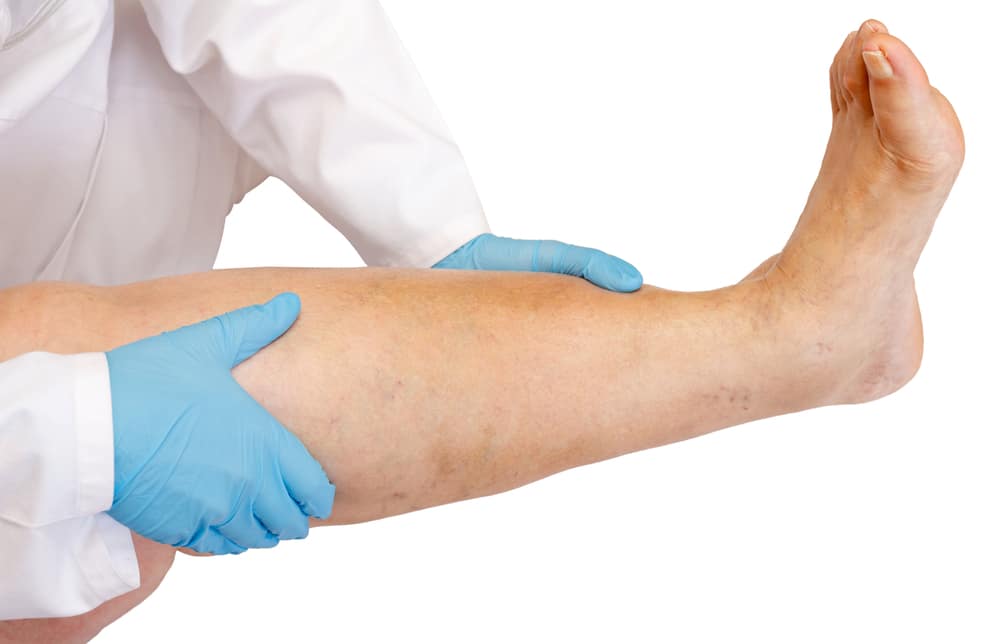
Foot and ankle infections can progress rapidly—often faster than patients expect. A small wound, ingrown nail, or skin break may seem minor at first, but without timely treatment, it can quickly become a limb-threatening emergency. For patients with diabetes, peripheral vascular disease, or neuropathy, the risk is even greater. At Momentum Foot and Ankle in Boynton Beach, we provide prompt, expert infection management to stop the spread, protect your foot, and preserve your quality of life.
Dr. Christopher Zimmer is a board-eligible, fellowship-trained foot and ankle surgeon with specialized expertise in limb salvage, advanced wound care, and complex reconstructive procedures. His fellowship training at Westside Regional Medical Center included direct management of diabetic foot infections, osteomyelitis, and staged soft tissue reconstruction in high-acuity settings.
What Are Plantar Warts?
Plantar warts are benign skin growths caused by the human papillomavirus (HPV). They typically develop on the soles of the feet — most commonly on the heels or the balls of the feet — where pressure from standing and walking causes them to grow inward rather than outward.
Warts can affect people of all ages, but they are especially common in children and individuals who frequent shared spaces like pools, locker rooms, and gyms.
Common signs of plantar warts include:
- A rough, grainy growth on the bottom of the foot
- Hard, thickened skin (callus) over a well-defined spot
- Small black dots — sometimes called “wart seeds” — within the lesion
- Pain or tenderness when standing or walking
- Disrupted skin lines or ridges at the site of the growth
What Causes Plantar Warts?
Plantar warts are caused by specific strains of HPV that enter the body through small cuts or breaks in the skin. The virus thrives in warm, moist environments, which is why warts are frequently contracted in public showers, pool areas, and locker rooms.
Not everyone exposed to HPV will develop a wart. Your immune system plays a key role in determining susceptibility, which is why certain individuals are more prone to recurring warts than others.
What Is a Foot or Ankle Infection?
A foot or ankle infection occurs when bacteria, fungi, or other pathogens invade the skin, soft tissue, bone, or joint. These infections can develop from open wounds, ulcers, surgical sites, or skin breaks caused by blisters, corns, or ingrown toenails. Left untreated, a localized infection can spread to surrounding tissue, reach the bone (osteomyelitis), or enter the bloodstream—a potentially life-threatening condition.
Common Causes and Risk Factors
Certain conditions significantly increase the risk of developing a serious foot infection:
- Diabetes mellitus
- Peripheral artery disease or poor circulation
- Peripheral neuropathy (reduced sensation in the feet)
- Diabetic foot ulcers or open wounds
- Prior foot surgery or trauma
- Immunocompromised conditions such as HIV, chemotherapy, or organ transplant
- Chronic skin conditions like athlete’s foot
Patients who cannot feel pain in their feet may not realize an infection is developing until it has already progressed significantly.
Signs and Symptoms to Watch For
Do not ignore these warning signs:
- Redness, warmth, or swelling around a wound
- Increased pain or tenderness
- Pus, drainage, or foul odor from a wound
- Fever or chills
- Red streaking spreading from the wound site
- A wound that is not healing or is getting worse
- Darkening of the skin or tissue, which may indicate tissue loss
If you notice any of these symptoms, seek care as soon as possible.
Types of Infections We Treat
We diagnose and treat a full spectrum of foot and ankle infections, including:
- Cellulitis (skin and soft tissue infection)
- Diabetic foot infections
- Abscesses
- Osteomyelitis (bone infection)
- Septic arthritis (joint infection)
- Infected ulcers and surgical wounds
- Fungal infections of the skin and nails
Each type requires a tailored approach, which is why accurate diagnosis is essential before any treatment begins.
Treatment Options
Effective infection management starts with a thorough evaluation, including physical examination, imaging, and lab work when needed. Treatment is personalized based on the type, severity, and depth of the infection.
Depending on your situation, treatment may include:
- Oral or IV antibiotics targeting the specific organism
- Wound debridement (removal of infected or dead tissue)
- Abscess drainage
- Advanced wound care and dressing protocols
- Coordination of hyperbaric oxygen therapy when indicated
- Surgical intervention for osteomyelitis or severe soft tissue infections
- Limb salvage procedures when necessary
Why Choose Momentum Foot and Ankle?
Infection management requires more than a prescription—it requires a provider who understands the full clinical picture. Dr. Zimmer combines surgical precision with compassionate, patient-centered care to deliver outcomes that matter. We act quickly, communicate clearly, and build personalized treatment plans focused on preserving your foot, your function, and your independence.
Schedule an Evaluation Today
A foot or ankle infection should never be left to chance. Contact us today to schedule a prompt evaluation with Dr. Zimmer. Call us at (561) 369-4455 or request an appointment online. Early intervention is always the best course of action.