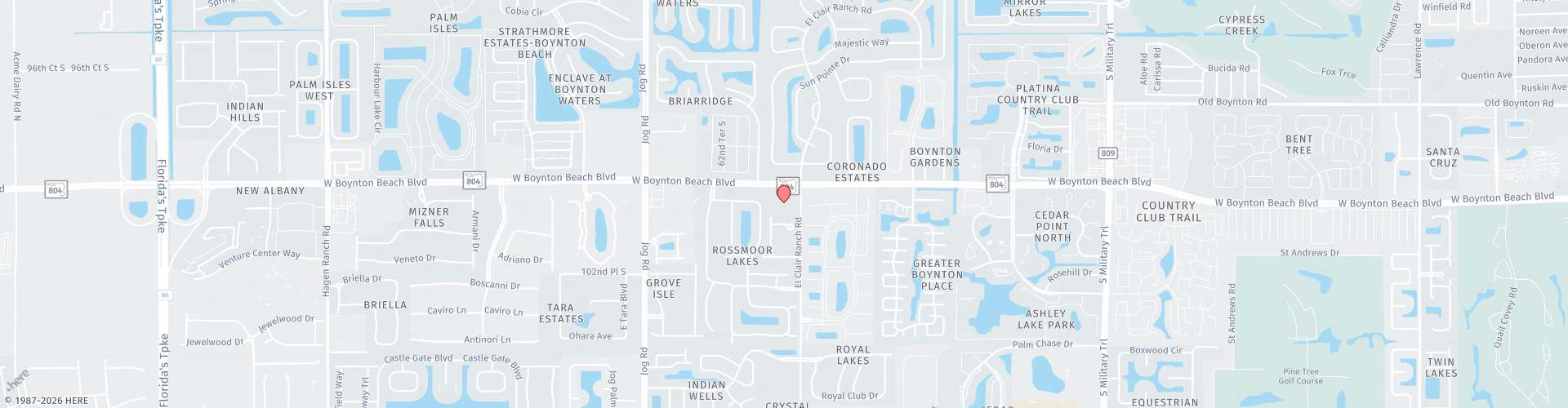

For people living with diabetes, a small wound on the foot can quickly become a serious health concern. Diabetic foot ulcers are open sores or wounds that develop most often on the bottom of the foot, and without prompt, expert care, they can lead to infection, hospitalization, or even limb loss. At Momentum Foot & Ankle in Boynton Beach, we specialize in the early detection and advanced treatment of diabetic foot ulcers — helping you protect your feet and your quality of life.
Dr. Christopher Zimmer is a fellowship-trained foot and ankle surgeon with specialized expertise in diabetic wound care and limb salvage. He completed his Trauma & Reconstruction Fellowship at Westside Regional Medical Center in Plantation, FL, where he gained advanced training in wound coverage techniques, infection management, and complex lower extremity reconstruction. Dr. Zimmer has also published peer-reviewed research and presented at national conferences, including the American College of Foot and Ankle Surgeons (ACFAS). At Momentum Foot & Ankle, every diabetic foot patient receives a personalized, evidence-based treatment plan guided by a surgeon who genuinely prioritizes your long-term health.
What Are Diabetic Foot Ulcers?
Diabetic foot ulcers are open wounds that form when the skin breaks down on the foot or ankle. They are a leading complication of diabetes and affect an estimated 15% of people with the condition at some point in their lives.
Several factors associated with diabetes make the feet especially vulnerable, including:
- Peripheral neuropathy (nerve damage that reduces sensation)
- Poor circulation that slows healing
- High blood sugar that impairs the immune response
- Foot deformities that create pressure points
- Dry, fragile skin prone to cracking
Signs and Symptoms
Because diabetic neuropathy can dull pain signals, many patients don’t realize they have an ulcer until it has already progressed. Signs to watch for include:
- An open sore, wound, or crater on the foot
- Drainage or discharge in your shoe or sock
- Redness, swelling, or warmth around a wound
- Foul odor coming from the affected area
- Dark or discolored skin surrounding a wound
- A callus with a dark center
If you notice any of these warning signs, do not wait. Early intervention is critical to preventing serious complications
Diabetic Foot Ulcer Treatment Options
Treatment is individualized based on the severity and depth of the ulcer, the presence of infection, and your overall health. Common approaches include:
- Wound debridement — removing damaged or infected tissue to promote healthy healing
- Offloading — using specialized footwear, casts, or boots to relieve pressure on the wound
- Advanced wound dressings — moisture-balanced dressings to support tissue regeneration
- Antibiotic therapy — oral or IV antibiotics when infection is present
- Vascular evaluation and referral — addressing circulation issues that impair healing
- Surgical intervention — when conservative care is insufficient, Dr. Zimmer provides limb-salvage surgery and reconstructive procedures
Prevention: Protecting Your Feet Every Day
Preventing diabetic foot ulcers starts with daily habits and regular professional foot exams. Key prevention strategies include:
- Inspecting your feet daily for cuts, blisters, or changes in skin color
- Keeping feet clean, moisturized, and dry between the toes
- Wearing properly fitted diabetic shoes or orthotics
- Maintaining healthy blood sugar levels
- Scheduling routine diabetic foot exams — at least once a year, more often if you have neuropathy
- Never walking barefoot, even indoors
Why Choose Momentum Foot & Ankle?
At Momentum Foot & Ankle, we believe every diabetic patient deserves access to the same level of expert, attentive care. Dr. Zimmer combines surgical precision with honest, transparent communication — so you always understand your diagnosis, your options, and your path forward. We serve patients throughout Boynton Beach and Palm Beach County with a commitment to protecting your limbs, your independence, and your lifestyle.
Schedule Your Diabetic Foot Evaluation Today
Don’t wait for a small wound to become a major health crisis. Contact us today to schedule your diabetic foot evaluation with Dr. Zimmer and take the first step toward healthier feet.
Call us at (561) 369-4455 — we’re here to help.